
アラン・ワッツ
Alan Watts
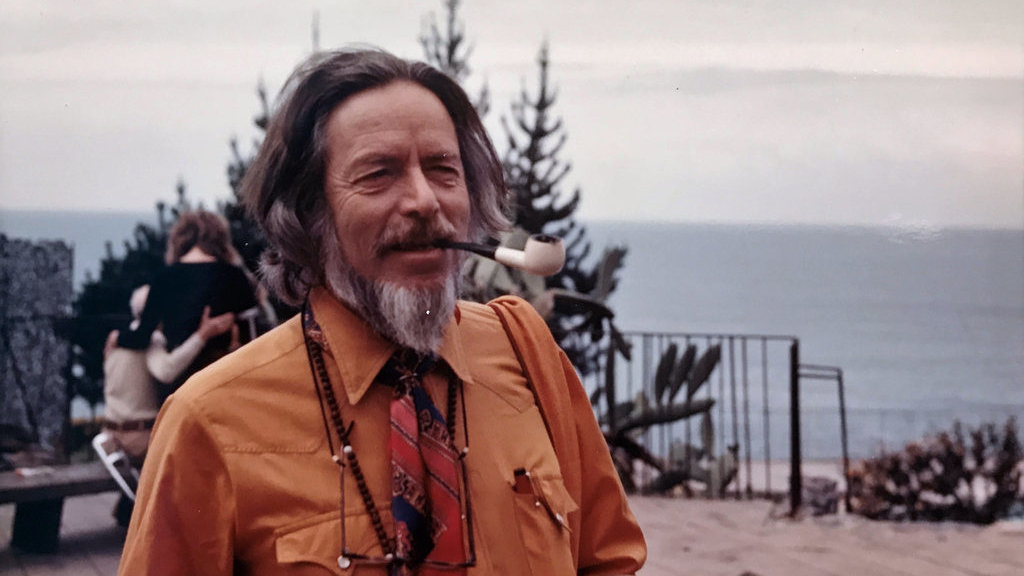
アラン・ワッツ(1915年~1973年)は、イギリス出身の哲学者、作家、そして思想家であり、東洋哲学を西洋に広めた先駆者として知られている。彼の思想は禅仏教、道教、ヒンドゥー教を中心に、西洋の視点からこれらの伝統的思想を解釈し、人々に分かりやすく伝えたことで広く影響を与えた。ワッツはイギリス・ケント州で生まれ、幼少期から東洋文化に深い興味を示していた。彼は若い頃から神秘主義や宗教哲学の書物に親しみ、特に仏教や道教の教えに強く惹かれた。その後、ワッツはロンドン大学で神学を学び、20代後半でアメリカに移住することを決意する。1938年に渡米したワッツは、ニューヨークで神学者として活動を始めたが、次第に伝統的キリスト教の教えに違和感を抱くようになった。彼はサンフランシスコに移り、仏教や道教を中心とした東洋思想の普及に力を入れるようになる。特に、彼の著書『禅の精神』や『道(タオ)の探求』は西洋の読者にとって衝撃的なものであり、東洋思想の深遠な真理を独自の視点で紹介した。ワッツの講義スタイルは非常に魅力的で、彼の語り口は多くの人々を引きつけた。ラジオや講演を通じて、彼は「今を生きること」「自己と世界の一体性」といった東洋思想の核心を伝え、西洋人に新たな視座をもたらしたのである。彼の思想はヒッピー文化やニューエイジ運動にも影響を与え、精神世界を探求する人々の精神的支柱となった。しかし、彼の生涯は波乱に満ちていた。ワッツは二度の離婚を経験し、経済的な困窮に陥ることもあった。また、彼はアルコール依存症に悩まされるようになり、晩年はカリフォルニア州の山間部に隠遁する生活を送った。それでも彼の思想と著作は広く読み継がれ、彼の死後も多くの人々に影響を与え続けている。1973年、ワッツは58歳でこの世を去ったが、彼の哲学と教えは今もなお、世界中の人々の心に生き続けている。「世界は自己の延長であり、分かち合うことによって人は真に豊かになる」という彼の言葉は、現代においても深い示唆を与えるものである。
Alan Watts (1915-1973) was a British-born philosopher, writer, and thinker, known as a pioneer in spreading Eastern philosophy to the West. His thought centered on Zen Buddhism, Taoism, and Hinduism, and was widely influential in interpreting these traditional ideas from a Western perspective and making them accessible to people. Watts was born in Kent, England, and showed a deep interest in Eastern culture from an early age. From a young age, he became familiar with books on mysticism and religious philosophy, and was especially drawn to the teachings of Buddhism and Taoism. Watts later studied theology at the University of London and decided to emigrate to the U.S. in his late 20s. Watts came to the United States in 1938 and began working as a theologian in New York City, but he gradually became uncomfortable with traditional Christian teachings. He moved to San Francisco and began to focus on promoting Eastern thought, particularly Buddhism and Taoism. His books “The Spirit of Zen” and “The Quest for the Way (Tao)” were particularly shocking to Western readers, presenting the profound truths of Eastern thought from a unique perspective. Watts' lecture style was highly engaging, and his storytelling drew many people to his lectures. Through radio and lectures, he conveyed the core of Eastern thought, such as “living in the moment” and “the oneness of self and world,” and brought a new perspective to Westerners. His ideas also influenced hippie culture and the New Age movement, and he became a spiritual pillar for those who explored the spiritual world. However, his life was tumultuous. Watts was divorced twice and suffered financial difficulties at times. He also began to suffer from alcoholism and spent his last years as a recluse in the mountains of California. Nevertheless, his ideas and writings have been widely read and continue to influence many people even after his death. Although Watts passed away in 1973 at the age of 58, his philosophy and teachings continue to live on in the hearts and minds of people around the world. His words, “The world is an extension of oneself, and one becomes truly rich by sharing,” are deeply inspiring even today.
Comprehension Check
Question 1 of 4
ワッツが西洋社会で果たした役割として本文が最も強調しているものは何ですか?