
日本の自動車産業
The Japanese Car Industry
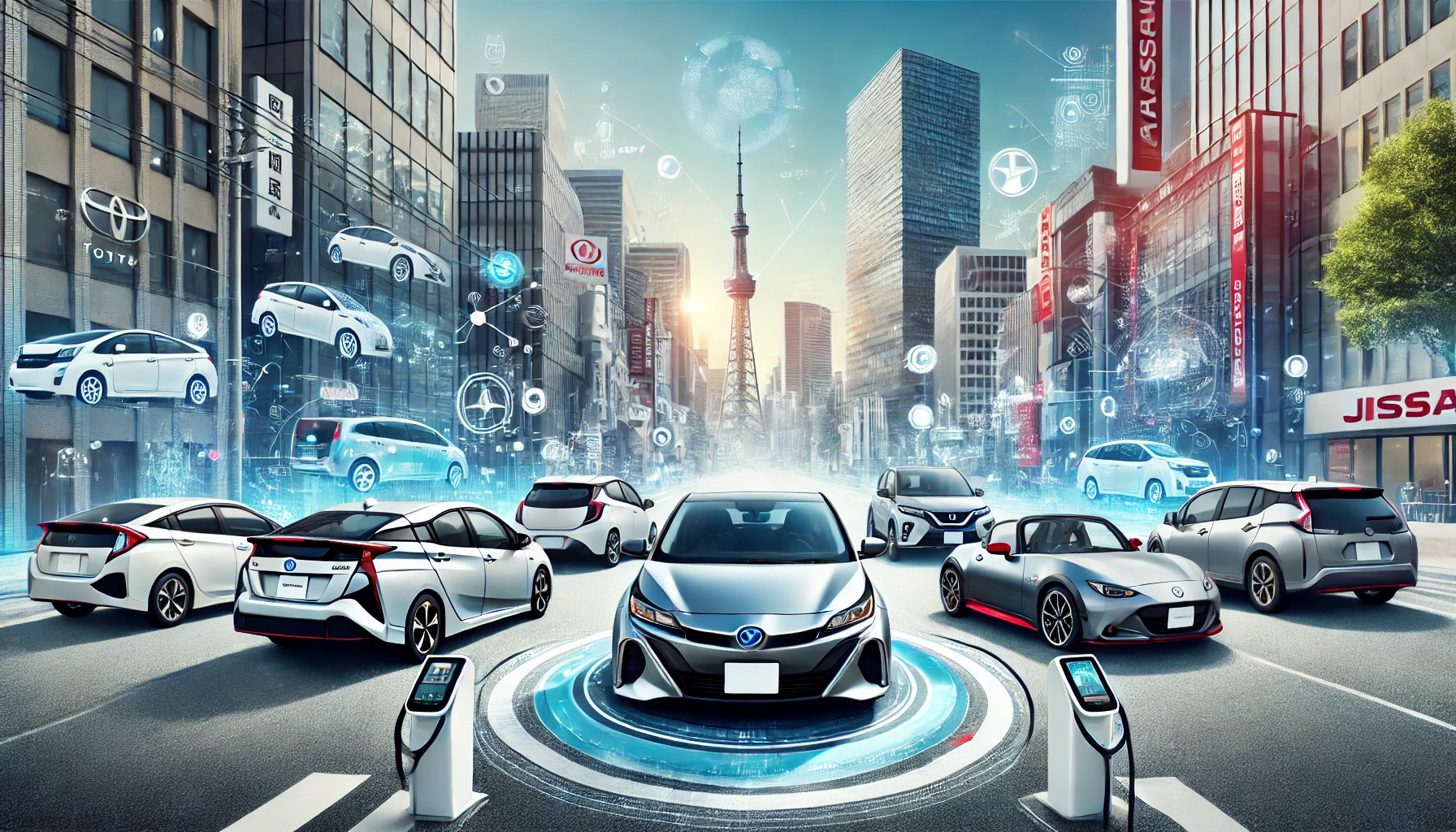
日本の自動車産業は世界的に有名であり、日本経済を支える重要な柱の一つです。トヨタ、ホンダ、日産、マツダ、スバルといった企業は、品質、革新性、効率性で高い評価を受けています。特にトヨタは「ハイブリッド車」の先駆者として知られ、プリウスは環境問題を意識した消費者に大変人気です。戦後、日本の自動車産業は急速に発展しました。当時、アメリカやヨーロッパの自動車市場が強力でしたが、日本は小型で燃費の良い車を生産し、海外市場を開拓しました。1970年代のオイルショックは、日本車の「低燃費」という強みを世界に示す大きなチャンスとなり、日本車の輸出が飛躍的に増加しました。また、日本の自動車産業は技術革新でも世界をリードしています。自動運転技術や電気自動車の開発に力を入れており、カーボンニュートラル社会の実現を目指しています。例えば、日産の「リーフ」は世界初の量産型電気自動車として有名で、現在でも多くの国で高い評価を受けています。さらに、「ものづくり」の精神も日本の自動車産業の強みです。細部にまでこだわる職人技、品質管理の徹底は、日本車が「壊れにくい」「長持ちする」と評判を得る理由の一つです。しかし、近年は中国や韓国の企業が急成長しており、日本の自動車メーカーも競争の激化に直面しています。今後は環境対策や技術革新だけでなく、新興市場への対応やブランド力の強化も重要になるでしょう。このように、日本の自動車産業は常に時代の変化に適応しながら、世界のトップを走り続けています。未来に向けて、どのような革新的な技術が登場するのか、今後も注目される分野です。
Japan's automotive industry is world-renowned and one of the key pillars of the Japanese economy. Companies such as Toyota, Honda, Nissan, Mazda, and Subaru have earned a reputation for quality, innovation, and efficiency. Toyota, in particular, is known as the pioneer of the “hybrid car,” and the Prius is very popular with environmentally conscious consumers. After World War II, the Japanese automobile industry developed rapidly. At the time, the U.S. and European automobile markets were strong, but Japan developed overseas markets by producing smaller, more fuel-efficient vehicles. The oil shocks of the 1970s provided a great opportunity to demonstrate to the world the “fuel-efficient” advantages of Japanese cars, and exports of Japanese cars increased dramatically. The Japanese automobile industry also leads the world in technological innovation. It is focusing on the development of self-driving technology and electric vehicles, aiming to realize a carbon-neutral society. For example, Nissan's “Leaf” is famous as the world's first mass-produced electric vehicle and is still highly acclaimed in many countries. Furthermore, the spirit of “monozukuri” is another strength of the Japanese automobile industry. Craftsmanship with attention to detail and thorough quality control are among the reasons why Japanese cars have earned a reputation for being “hard to break” and “long-lasting. However, with the rapid growth of Chinese and Korean companies in recent years, Japanese automakers are facing intensified competition. In the future, it will be important not only to implement environmental measures and technological innovation, but also to respond to emerging markets and strengthen brand power. In this way, the Japanese automotive industry is constantly adapting to the changing times while continuing to lead the world. What kind of innovative technologies will emerge in the future is an area that will continue to attract attention.
Comprehension Check
Question 1 of 4
戦後の日本車が海外市場を開拓する上で強みとなった特徴は何ですか?