お辞儀の作法
Bowing Etiquette
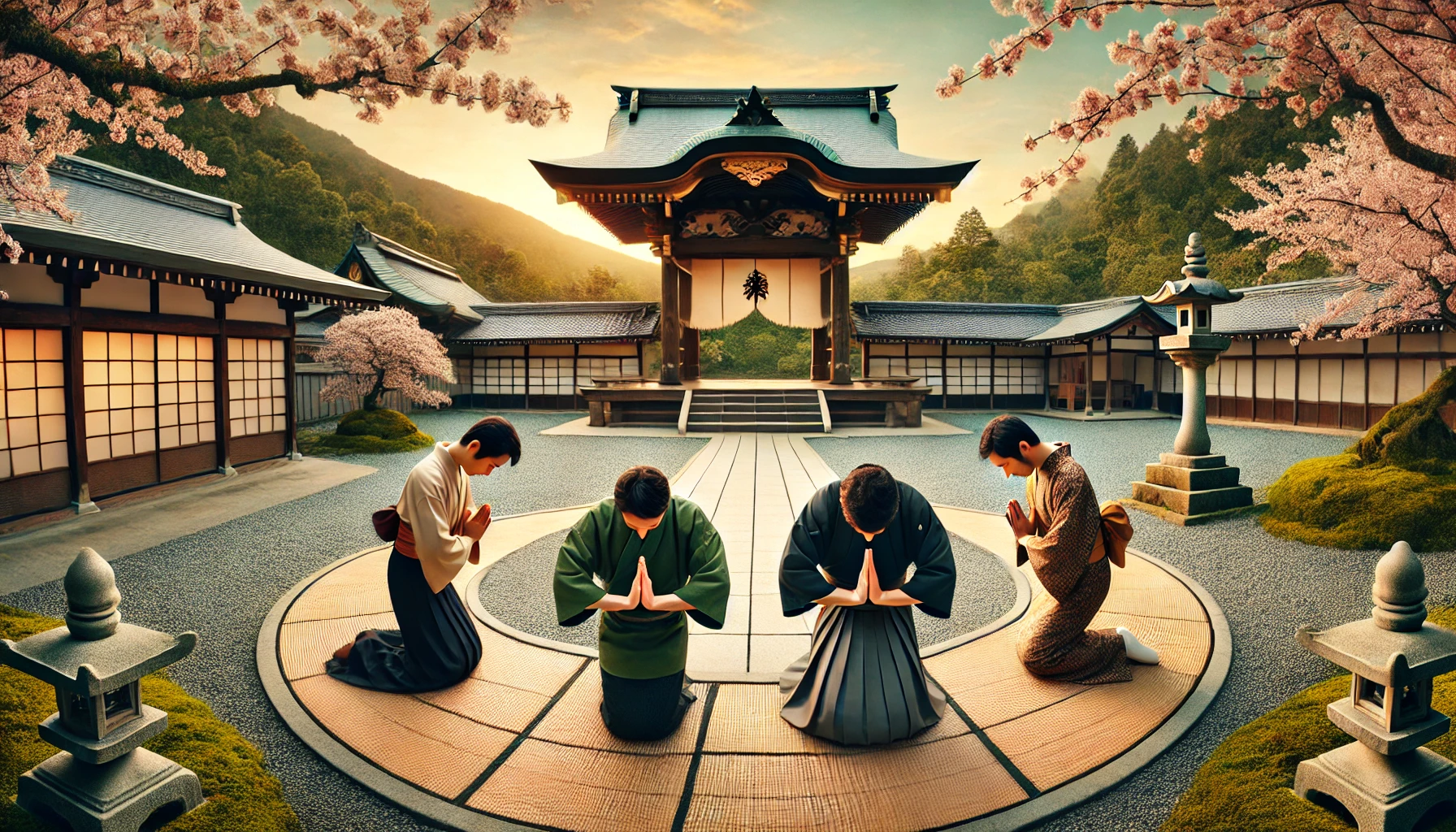
日本の挨拶では、お辞儀がとても大切です。
In Japanese greetings, bowing is very important.
お辞儀は、日本人の文化や礼儀を表します。
Bowing is an expression of Japanese culture and courtesy.
お辞儀の方法は、シチュエーションによって変わります。
The method of bowing varies depending on the situation.
まず、軽いお辞儀があります。
First, there is a light bow.
これは「会釈」と呼ばれます。
This is called "kaishaku."
たとえば、友達や同僚に挨拶するとき、軽く頭を下げます。
For example, when greeting a friend or colleague, one bows lightly.
このお辞儀は15度くらいが普通です。
This bow is usually about 15 degrees.
次に、「普通礼」というお辞儀があります。
Next, there is the "ordinary bow," which is used in more polite situations.
これはもっと丁寧な場面で使います。
This is used in more polite situations.
たとえば、先生や上司に会うときです。
For example, when meeting a teacher or boss.
このお辞儀では、体を30度くらい前に傾けます。
In this bow, the body is tilted forward about 30 degrees.
最後に、「最敬礼」というお辞儀があります。
Finally, there is the "zumieirei" bow, which is the most polite bow.
これは一番丁寧なお辞儀です。
This is the most polite bow.
たとえば、感謝や謝罪をするときに使います。
For example, it is used when thanking or apologizing.
このとき、体を45度くらいまで深く下げます。
In this case, the body is lowered deeply to about 45 degrees.
お辞儀をするとき、背中をまっすぐにし、目は下を向きます。
When bowing, the back should be straight and the eyes should look down.
言葉を言いながらお辞儀をするのは失礼とされています。
It is considered rude to bow while saying the words.
日本に来たら、この礼儀を練習してみてください。
Practice this courtesy when you come to Japan.
お辞儀は、日本人との良い関係を作る第一歩です!
Bowing is the first step in building a good relationship with the Japanese!
Comprehension Check
Question 1 of 3
About how deep is a casual bow called eshaku?