ベアテ・シロタ・ゴードン
Beate Sirota Gordon
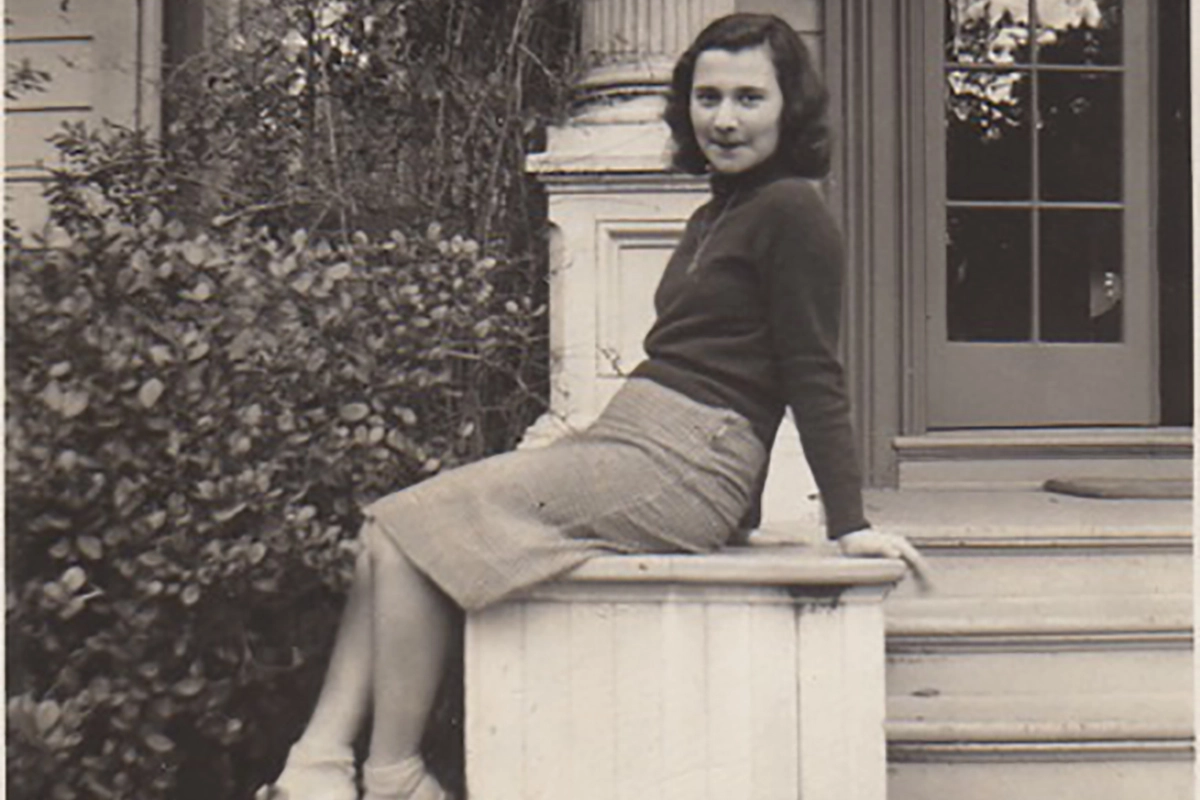
ベアテ・シロタ・ゴードン (1923年~2012年) は、オーストリア生まれのアメリカ人であり、日本国憲法の草案作成において重要な役割を果たした人物である。
Beate Sirota Gordon (1923-2012) was an Austrian-born American who played an important role in the drafting of the Japanese Constitution.
特に、憲法第24条の男女平等に関する条項の策定に尽力したことで知られる。
She is particularly known for her efforts in formulating the article on gender equality in Article 24 of the Constitution.
シロタはウィーンでユダヤ系の音楽家の家庭に生まれ、1929年に父の仕事の関係で東京に移住した。
Sirota was born in Vienna to a family of Jewish musicians and moved to Tokyo in 1929 because of her father's work.
彼女は6歳で日本に到着し、成蹊学園に通う傍ら、日本語を習得した。
She arrived in Japan at the age of six and learned Japanese while attending Seikei Gakuen.
その後、アメリカに渡り、カリフォルニア州のミルズ大学で学び、フランス語やスペイン語を含む多言語を習得した。
She then moved to the United States and studied at Mills College in California, where she mastered multiple languages, including French and Spanish.
第二次世界大戦中、シロタはアメリカ市民として情報局で働き、戦後は連合国軍最高司令官総司令部 (GHQ) に参加した。
During World War II, Sirota worked as a U.S. citizen in the Intelligence Bureau, and after the war he joined the Supreme Commander of the Allied Forces (GHQ).
1946年、わずか22歳の時に日本国憲法の草案チームの一員となり、女性の権利を保障する条項を提案した。
In 1946, when she was only 22 years old, she was part of the team that drafted the Japanese Constitution and proposed a clause guaranteeing women's rights.
これにより、戦前の家父長的な家族制度から転換し、女性の法的地位の向上を実現する土台を築いた。
This laid the groundwork for a shift from the patriarchal family system of the prewar era and the elevation of women's legal status.
戦後はアメリカに戻り、カーネギー国際芸術委員会などで働き、日本文化の普及にも貢献した。
After the war, she returned to the US and worked for the Carnegie Commission on the International Arts, where she contributed to the popularization of Japanese culture.
晩年には自伝『憲法が変えた私の人生』を執筆し、戦後日本の民主化における自身の役割を振り返った。
In her later years, she wrote an autobiography, "My Life Changed by the Constitution," in which she reflected on her role in Japan's postwar democratization.
2012年にニューヨークで死去したが、彼女の業績は今日でも日本の男女平等や人権に関する議論で語り継がれている。
She died in New York in 2012, but her work is still talked about today in discussions about gender equality and human rights in Japan.
Comprehension Check
Question 1 of 4
シロタが日本国憲法の草案作成で特に力を注いだのは何ですか?