宇宙開発競争
The Space Race
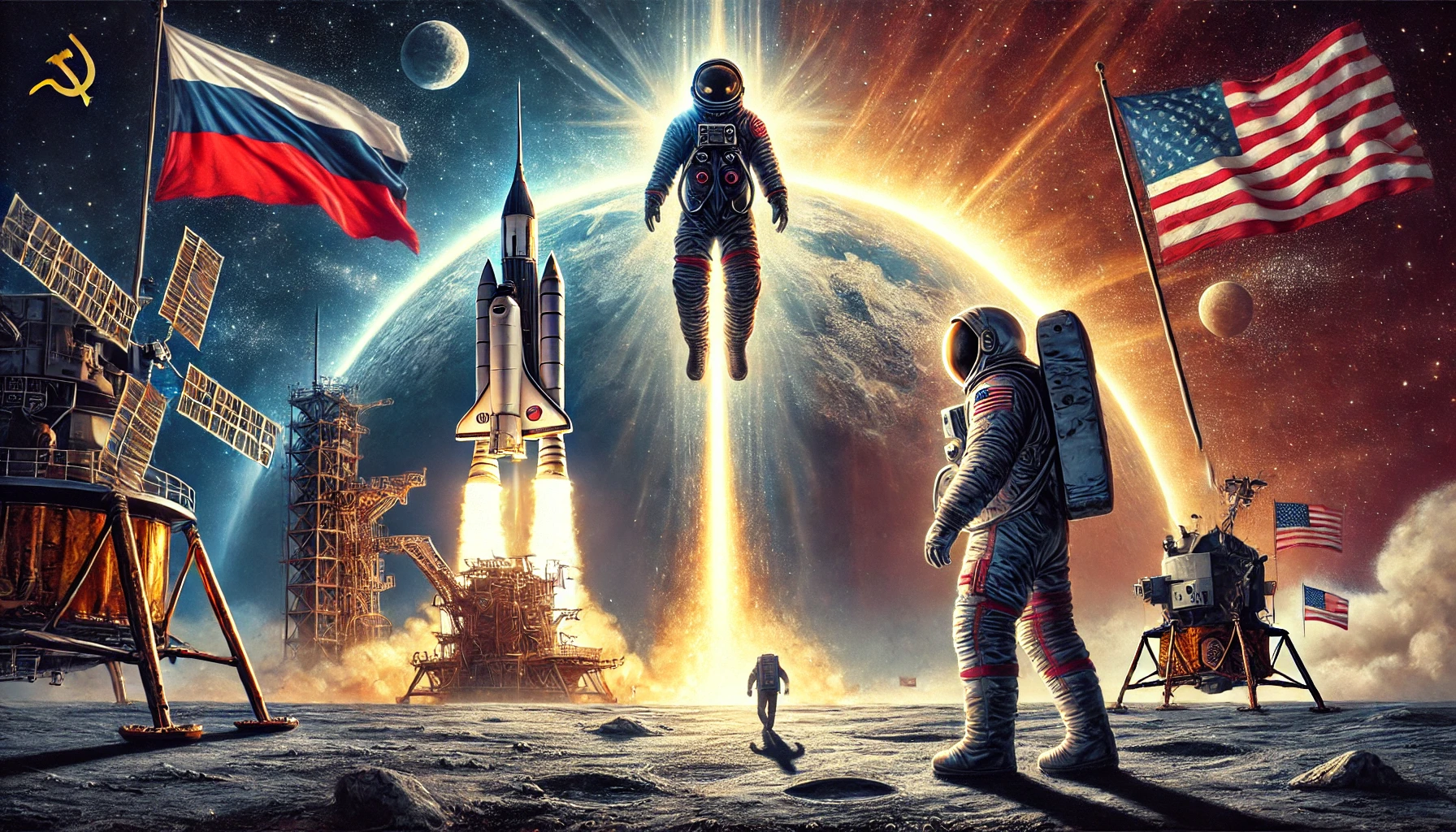
20世紀の冷戦時代、アメリカ合衆国とソビエト連邦は宇宙開発の分野で激しい競争を繰り広げた。
During the Cold War era of the 20th century, the United States and the Soviet Union engaged in a fierce competition in the field of space exploration.
この「宇宙開発競争」は、科学技術だけでなく、両国の政治的・軍事的な優越性を示す象徴的な戦いでもあった。
This "space race" was not only a battle of science and technology, but also a symbolic show of political and military superiority between the two countries.
1957年、ソビエト連邦が人工衛星「スプートニク1号」を世界で初めて打ち上げたことで、この競争は本格化した。
In 1957, this competition was in full swing when the Soviet Union launched the world's first artificial satellite, Sputnik 1.
この成功はアメリカに衝撃を与え、科学教育の改革や宇宙計画への予算増加を促した。
This success shocked the U.S. and prompted reforms in science education and increased funding for the space program.
1961年には、ソビエト連邦の宇宙飛行士ユーリ・ガガーリンが史上初めて宇宙に到達し、「人類初の宇宙飛行」を成し遂げた。
In 1961, Soviet cosmonaut Yuri Gagarin became the first person in history to reach space, achieving the first human space flight.
一方で、アメリカは月への有人着陸を目指し、「アポロ計画」を推進した。
Meanwhile, the United States promoted the "Apollo Program" with the aim of landing a man on the moon.
1969年、アポロ11号のニール・アームストロング船長が月面に足を踏み入れ、「人類の偉大な一歩」として歴史に刻まれた。
In 1969, Apollo 11 astronaut Neil Armstrong set foot on the lunar surface, marking it in history as "one giant leap for mankind."
この宇宙開発競争は技術の飛躍的な進歩をもたらし、通信衛星や気象衛星など、現代社会に欠かせない技術の基盤を築いた。
This space race led to dramatic technological advances and laid the foundation for communication satellites, weather satellites, and other technologies that are indispensable to modern society.
また、科学の発展だけでなく、宇宙探査の夢や人類の未来への希望を広げる重要なきっかけとなった。
It was also an important catalyst not only for the development of science, but also for expanding dreams of space exploration and hopes for the future of humanity.
Comprehension Check
Question 1 of 4
宇宙開発競争は科学技術以外に何を示す戦いでもありましたか?