広島への原子爆弾投下
Atomic Bombing of Hiroshima
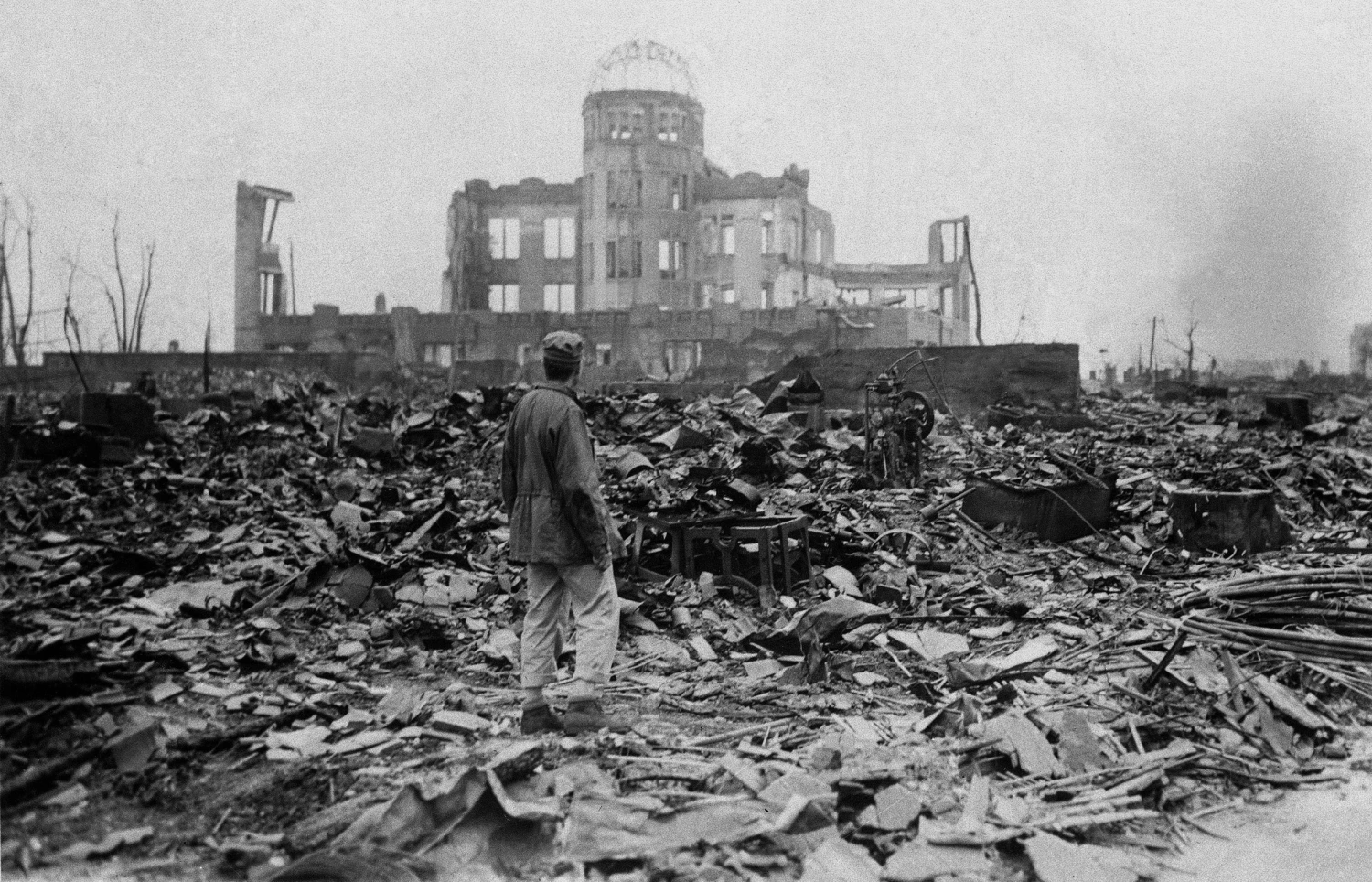
1945年8月6日、広島市は人類史上初めての核攻撃を受けました。
On August 6, 1945, the city of Hiroshima suffered the first nuclear attack in human history.
アメリカ軍が投下した原子爆弾「リトルボーイ」は、市の中心部から約600メートル上空で爆発し、その瞬間に膨大な熱と衝撃波、そして放射線を放出しました。
The atomic bomb Little Boy dropped by the US military exploded about 600 meters above the center of the city, releasing an enormous amount of heat, shock waves, and radiation at that instant.
この爆発による直撃とその後の火災により、広島市は壊滅的な被害を受け、約14万人以上が犠牲になったと推定されています。
The direct hit from this explosion and the fire that followed devastated the city of Hiroshima, killing an estimated 140,000 people or more.
この数字には、その後数か月から数年にわたり放射線障害で命を落とした人々も含まれています。
This number includes those who lost their lives to radiation poisoning in the months and years that followed.
爆弾の威力は甚大で、直径2キロメートルに及ぶ範囲が完全に焼失しました。
The bombs were so powerful that they completely destroyed an area two kilometers in diameter.
建物やインフラはもちろん、多くの市民が即死または重傷を負い、負傷者は圧倒的な数に達しました。
Many civilians were killed instantly or seriously injured, not to mention buildings and infrastructure, and the number of injured was overwhelming.
また、生き延びた人々も放射線被ばくによる深刻な健康被害に苦しみました。
Those who survived also suffered serious health problems due to radiation exposure.
「黒い雨」として知られる放射性物質を含んだ雨が降り注ぎ、それに触れた多くの人々が体調を崩し、がんや白血病といった後遺症に悩まされました。
The radioactive rain, known as black rain, fell on many people who came into contact with it, and many became ill and suffered from the aftereffects, such as cancer and leukemia.
この原爆投下は、単なる軍事行動にとどまらず、戦争の倫理、核兵器の使用、そして人間の生存そのものに関する深い議論を引き起こしました。
The atomic bombing was more than a military action; it provoked a profound debate about the ethics of war, the use of nuclear weapons, and human survival itself.
当時のアメリカ政府は、戦争を迅速に終結させ、多くの犠牲者を防ぐための決断だったと説明しましたが、一方で非戦闘員を含む多くの命が奪われたことに対する非難も根強く存在します。
Although the US government at the time explained that the decision was made to bring the war to a swift end and prevent further casualties, there is still deep-seated condemnation of the loss of life, including that of noncombatants.
また、被爆者(いわゆる「ヒバクシャ」)たちは、長年にわたり差別や偏見に苦しむこともありました。
Hibakusha (so-called hibakusha) survivors also suffered discrimination and prejudice for many years.
戦後、広島は「平和都市」として復興への道を歩み始めました。
After the war, Hiroshima began its path to recovery as a City of Peace.
被爆からわずか3年後の1949年には「広島平和記念都市建設法」が制定され、市は核兵器廃絶と平和を訴えるシンボルとしての役割を担うことになりました。
In 1949, only three years after the bombing, the Hiroshima Peace Memorial City Construction Law was enacted, and the city assumed the role of a symbol for the abolition of nuclear weapons and for peace.
1955年に設立された広島平和記念資料館や原爆ドームは、今日も世界中から訪れる人々に戦争の悲惨さと平和の重要性を訴え続けています。
The Hiroshima Peace Memorial Museum and the Atomic Bomb Dome, established in 1955, continue to appeal to visitors from around the world today about the tragedy of war and the importance of peace.
広島への原爆投下は、単に一つの都市が被った破壊というだけでなく、人類全体が負うべき責任と教訓を内包しています。
The atomic bombing of Hiroshima was not just about the destruction suffered by one city, but also about the responsibility and lessons to be learned by all humankind.
核兵器の非人道性を痛感した広島の経験は、世界中での核兵器廃絶運動の原動力となり、また戦争の本質を見つめ直すきっかけを提供しています。
The experience of Hiroshima, which made us acutely aware of the inhumanity of nuclear weapons, has provided the impetus for the worldwide movement to abolish nuclear weapons and has also provided an opportunity to reconsider the nature of war.
今日、核兵器の脅威が再び高まる中、広島の歴史はこれまで以上に重要な意味を持つと言えるでしょう。
Today, with the threat of nuclear weapons once again on the rise, the history of Hiroshima is more relevant than ever.
Comprehension Check
Question 1 of 4
原爆による被害が爆発直後だけにとどまらなかったことを示す本文の記述はどれですか?