悪の凡庸さ
The Banality of Evil
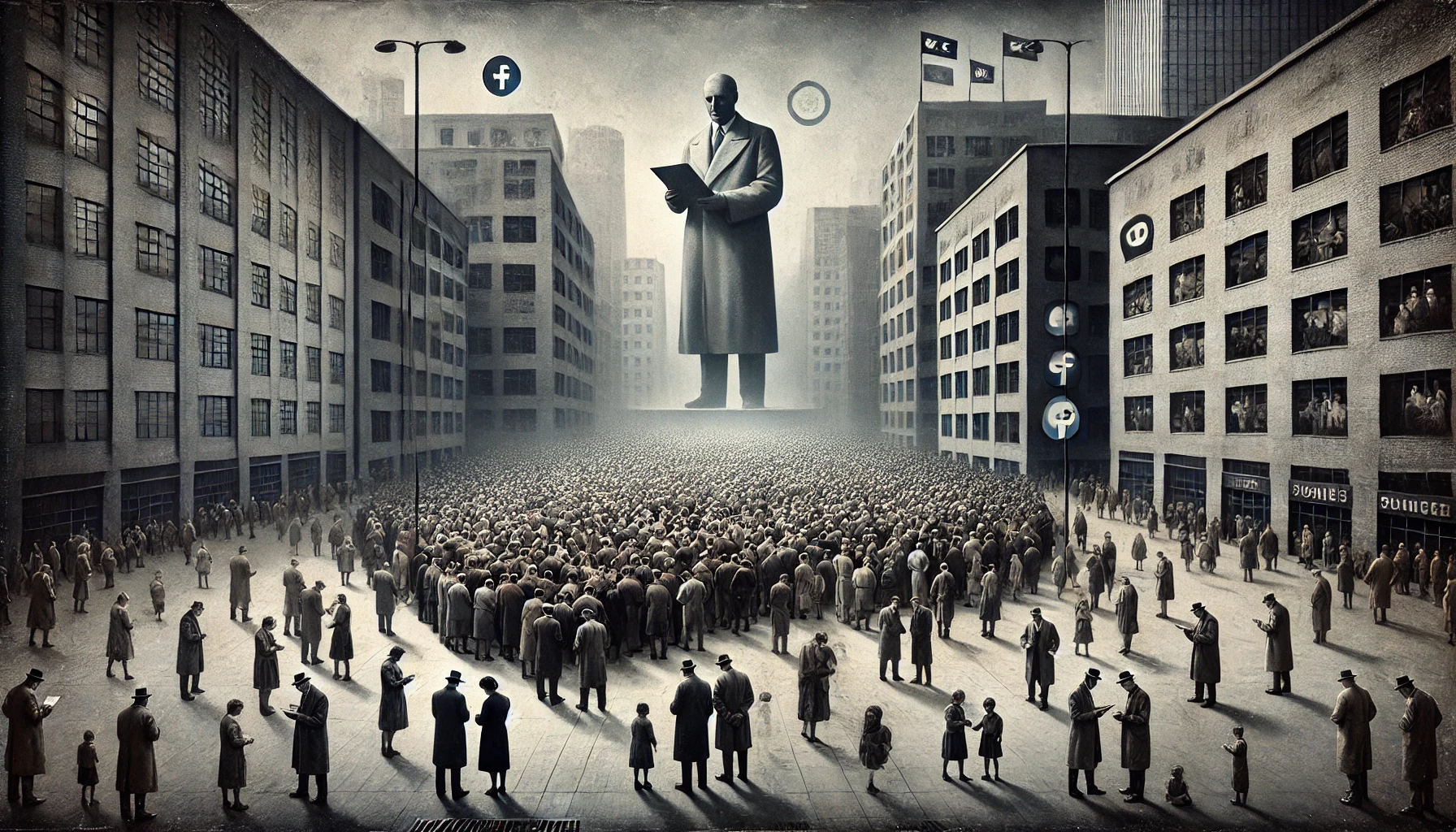
悪の凡庸さという概念は、哲学者ハンナ・アーレントによって提唱されたものであり、個人の深い悪意や冷酷さではなく、日常的な無関心や無反省が大規模な悪を可能にするという考え方を示しています。
The concept of the banality of evil was proposed by the philosopher Hannah Arendt, who posited the idea that everyday indifference and remorselessness, rather than deep personal malice or cruelty, makes large-scale evil possible.
この思想は、特に第二次世界大戦後の戦争犯罪者に対する裁判において注目を集めました。
This idea gained prominence especially in the post-World War II trials against war criminals.
アーレントはアイヒマン裁判を通じて、悪が「怪物的」な形で現れるわけではなく、むしろ平凡な人物によって成し遂げられることを明らかにしました。
Through the Eichmann trial, Arendt made it clear that evil does not manifest itself in a "monstrous" way, but rather is accomplished by mediocre individuals.
悪の凡庸さが私たちに問いかけるのは、倫理的責任と人間の意志の脆弱性です。
The banality of evil challenges us with ethical responsibility and the fragility of the human will.
歴史を振り返ると、多くの悲劇が人々の「ただ従うだけ」という態度から生じたことが分かります。
History shows that many tragedies have resulted from people's "just obey" attitude.
組織や権威に服従することで、自分自身の判断や価値観を放棄する危険性が潜んでいます。
In submitting to organizations and authorities lurks the danger of abandoning one's own judgment and values.
そして、その結果として生まれるのは、深い反省もないままに拡大される不正義です。
And what results is an injustice that is magnified without deep reflection.
この現象は現代社会においても無縁ではありません。
This phenomenon is not unimportant in today's society.
SNS上での集団的なバッシングや、環境問題への無関心といった行動は、知らず知らずのうちに「凡庸な悪」を助長しているかもしれません。
Actions such as collective bashing on social networking sites and indifference to environmental issues may be unwittingly promoting "ordinary evil.
私たち一人ひとりが、自分の行動が社会や他者にどのような影響を与えるのかを常に考えることが求められています。
Each of us is expected to constantly consider how our actions affect society and others.
結局のところ、悪の凡庸さを克服するためには、日々の小さな選択が重要です。
Ultimately, it is the small daily choices we make that will help us overcome the mediocrity of evil.
たとえ微力であっても、倫理的な視点を持ち続けることが、より良い社会を築く第一歩となるのです。
Keeping an ethical perspective, even if it is a small one, is the first step toward building a better society.
Comprehension Check
Question 1 of 4
「悪の凡庸さ」が否定する典型的な悪のイメージは何ですか?