文学における悲劇的欠陥
Tragic Flaws in Literature
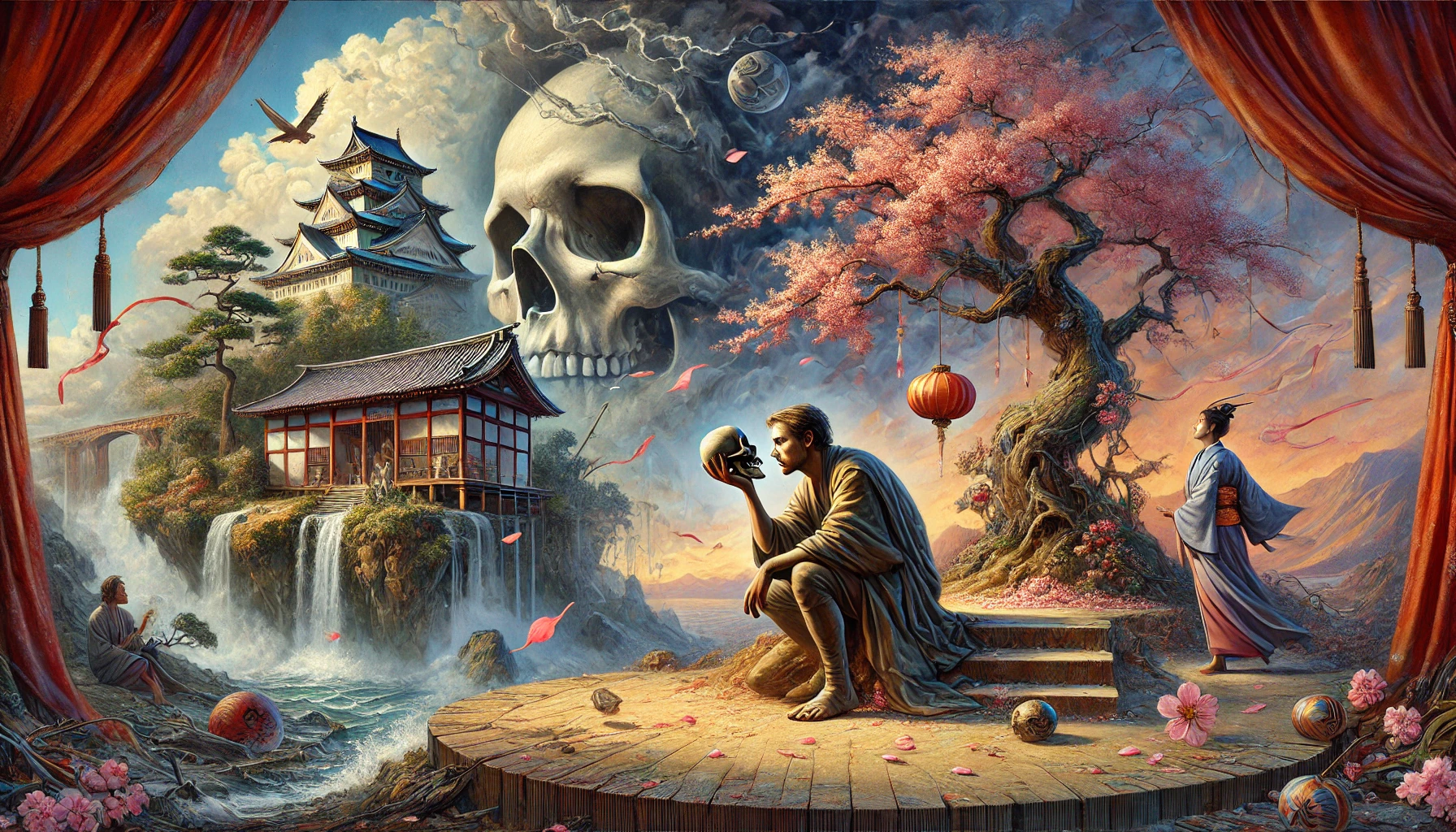
文学作品の中では、主人公の「悲劇的な欠点」が物語を進める重要な要素になることが多い。
In literary works, the "tragic flaw" of the protagonist is often an important factor in advancing the story.
この欠点とは、主人公の性格や行動における弱点であり、しばしば彼らの運命を決定づける要因となる。
This flaw is a weakness in the character or behavior of the protagonist that often becomes a determining factor in their fate.
例えば、シェイクスピアの『ハムレット』では、主人公ハムレットの優柔不断さが彼の悲劇を引き起こす原因となる。
For example, in Shakespeare's "Hamlet," the indecision of the protagonist Hamlet is the cause of his tragedy.
同様に、日本文学の古典作品『源氏物語』では、光源氏の欲望と自己中心的な行動が、彼や彼の周囲の人々に悲劇的な結末をもたらす。
Similarly, in the classic work of Japanese literature, The Tale of Genji, Hikaru Genji's desires and self-centered behavior bring tragic consequences for him and those around him.
こうした欠点は、物語の展開に深みを与え、読者に人間の本質について考えさせる機会を提供する。
These flaws add depth to the story's development and provide readers with opportunities to reflect on human nature.
主人公の欠点が彼らを人間らしく感じさせる一方で、その欠点が引き起こす結果が物語の緊張感やドラマ性を高める役割を果たす。
While the protagonists' flaws make them feel human, the consequences of their flaws serve to heighten the tension and drama of the story.
これにより、読者は彼らに共感すると同時に、彼らの選択や行動の影響について考えさせられる。
This allows readers to empathize with them while at the same time making them think about the consequences of their choices and actions.
悲劇的な欠点を描くことは、単に物語を面白くするためではなく、人間の弱さや成長の可能性を探る文学の目的の一つでもある。
The portrayal of tragic flaws is not merely to make the story more interesting; it is also one of the purposes of literature, which explores human frailty and the potential for growth.
そのため、悲劇的な欠点を持つ主人公の物語は、時代を超えて多くの読者に愛され、語り継がれている。
For this reason, stories with protagonists who have tragic flaws have been loved and retold by many readers throughout the ages.
Comprehension Check
Question 1 of 4
文学でいう「悲劇的な欠点」とは何ですか?