日本国憲法
The Constitution of Japan
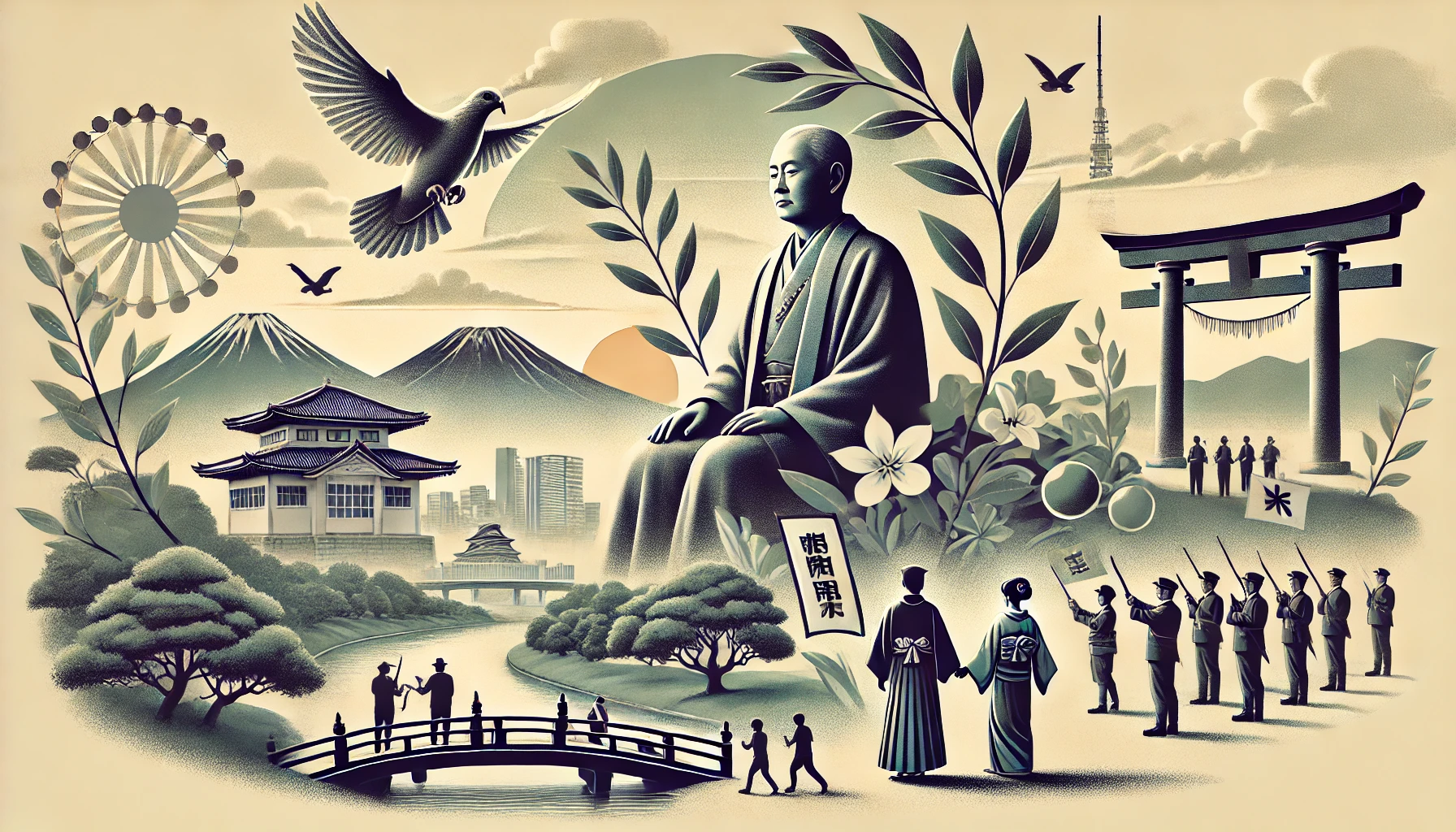
日本国憲法は、第二次世界大戦後の1947年5月3日に施行されたものであり、日本の基本法としての役割を果たしている。
The Constitution of Japan, which came into effect on May 3, 1947, after World War II, serves as the fundamental law of Japan.
この憲法は、戦争の悲惨な経験を背景に、国民主権、基本的人権の尊重、平和主義の三つを基本原則としている。
Against the background of the disastrous experience of war, this Constitution is based on three fundamental principles: sovereignty of the people, respect for fundamental human rights, and pacifism.
その中でも、特に第9条は「戦争の放棄」として知られ、日本が戦争を行わないこと、そして戦力を保持しないことを明確に規定している。
Among these, Article 9 in particular, known as the "Renunciation of War," clearly stipulates that Japan shall not engage in war and shall not maintain military power.
憲法制定の過程においては、連合国軍総司令部(GHQ)の影響が大きかったと言われるが、その内容には日本の歴史的な価値観や社会構造も反映されている。
It is said that the General Headquarters of the Allied Forces (GHQ) had a great influence on the process of enacting the Constitution, and its contents also reflect Japan's historical values and social structure.
例えば、第1条では天皇を「日本国の象徴」と位置づけ、主権が国民にあることを明示している。
For example, Article 1 positions the emperor as the "symbol of the nation of Japan" and clearly states that sovereignty rests with the people.
これにより、天皇制は存続しつつも、その権限は大幅に制限され、象徴的な存在となった。
This allows the emperor system to continue, but his authority is greatly restricted, making him a symbolic figure.
また、日本国憲法は世界的にも珍しい平和憲法として注目されている。
In addition, the Constitution of Japan is notable as a peace constitution, a rarity in the world.
その平和主義は日本の外交政策や国際社会での役割に大きな影響を与え、平和維持活動や人道支援への積極的な関与につながっている。
Its pacifism has greatly influenced Japan's foreign policy and its role in the international community, leading to its active involvement in peacekeeping operations and humanitarian aid.
一方で、現代における国際情勢や安全保障上の課題に対応するために、第9条の改正を求める声も存在する。
At the same time, there are calls for revision of Article 9 in order to respond to the international situation and security challenges of our time.
これについては、国内外で賛否両論があり、議論が続いている。
There is an ongoing debate on this issue, with both domestic and international arguments for and against.
日本国憲法は、戦後の日本社会の民主化と平和的発展を支える重要な基盤となってきた。
The Constitution of Japan has been an important foundation for the democratization and peaceful development of Japanese society in the postwar period.
その理念を守りつつ、現代のニーズにどう応えていくべきかは、これからの日本社会にとって重要な課題である。
How to meet the needs of our time while preserving its principles is an important issue for Japanese society in the future.
Comprehension Check
Question 1 of 4
日本国憲法の三つの基本原則として本文が挙げるものは何ですか?