歌舞伎
Kabuki
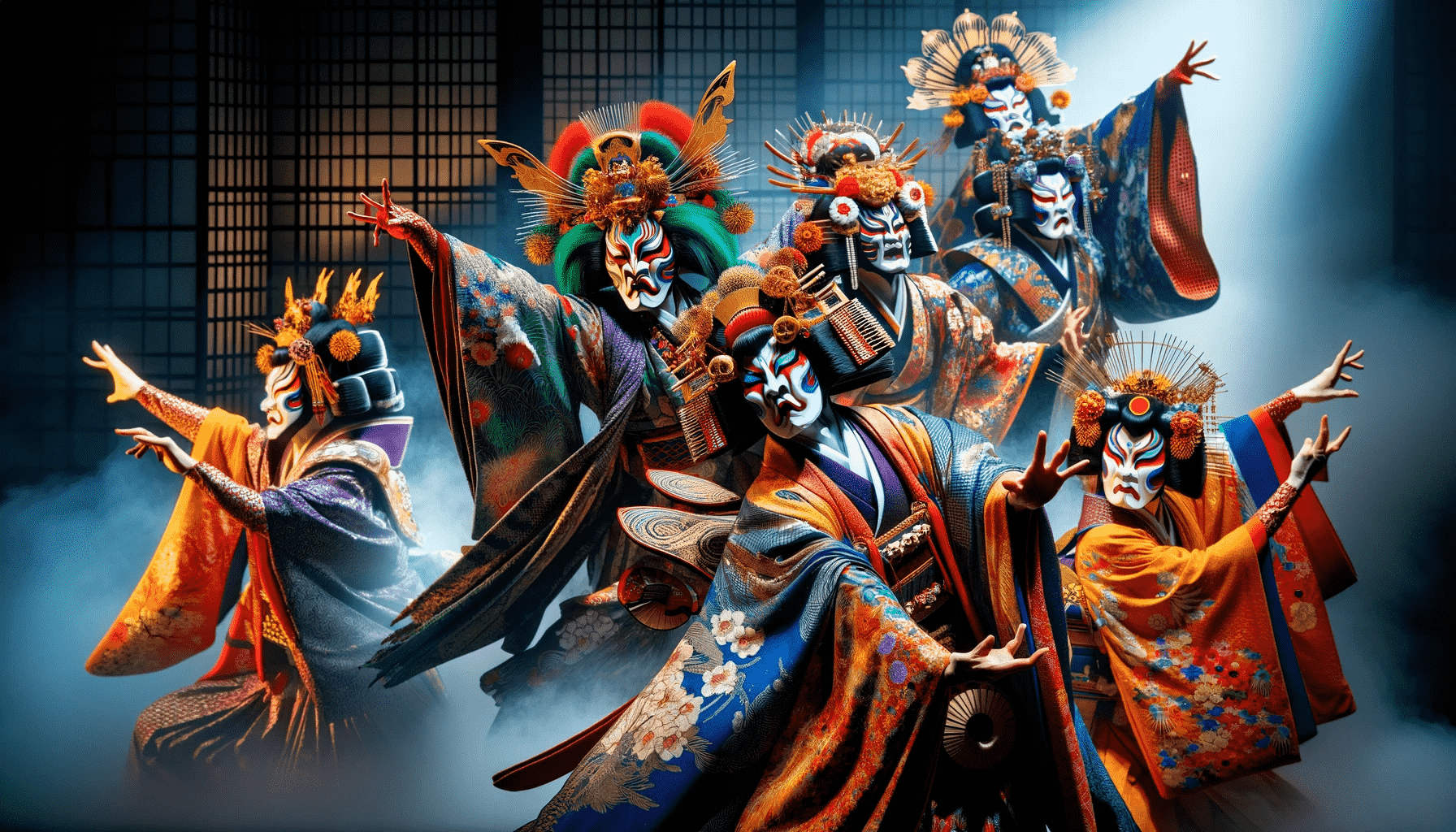
歌舞伎は、日本の伝統的な演劇であり、約400年の歴史があります。
Kabuki is a traditional Japanese theater with a history of about 400 years.
歌舞伎は江戸時代に始まり、最初は庶民の娯楽として発展しました。
Kabuki began in the Edo period (1603-1867) and initially developed as entertainment for the common people.
その特徴は、華やかな衣装、独特な化粧、そして大胆な動きにあります。
It is characterized by its flamboyant costumes, distinctive makeup, and daring movements.
歌舞伎の舞台は、「花道」という特別な通路を使って演技が行われることが多いです。
Kabuki performances often take place on a special passageway called hanamichi.
この花道は観客席の中を通り、役者が劇的に登場したり退場したりするために使われます。
This hanamichi passes through the audience and is used for the dramatic entrance and exit of actors.
また、「隈取」という顔の化粧も有名で、役柄や感情を強調するために使用されます。
Another well-known use is "kumadori," or facial makeup, which is used to emphasize roles and emotions.
歌舞伎の演目は、歴史物や恋愛物、そして人間関係を描いたものが多いです。
Many Kabuki plays are historical, romantic, and depict human relationships.
特に、「義理と人情」の対立がテーマとなることが多く、日本文化の価値観を反映しています。
In particular, the conflict between "righteousness and humanity" is often a theme, reflecting the values of Japanese culture.
現在、歌舞伎はユネスコの無形文化遺産に登録され、国内外で高い評価を受けています。
Kabuki is currently registered as a UNESCO Intangible Cultural Heritage and is highly acclaimed both in Japan and abroad.
初めて見る人には、日本語が分からなくても楽しめるように、英語の字幕や解説が用意されることもあります。
For first-time viewers, English subtitles and commentary are sometimes provided so that they can enjoy the performance even if they do not understand Japanese.
日本に訪れた際は、ぜひ一度歌舞伎を体験してみてください。
We encourage you to experience Kabuki once when you visit Japan.
Comprehension Check
Question 1 of 4
歌舞伎はいつ頃始まりましたか?