男性的な日本語
Masculine Japanese
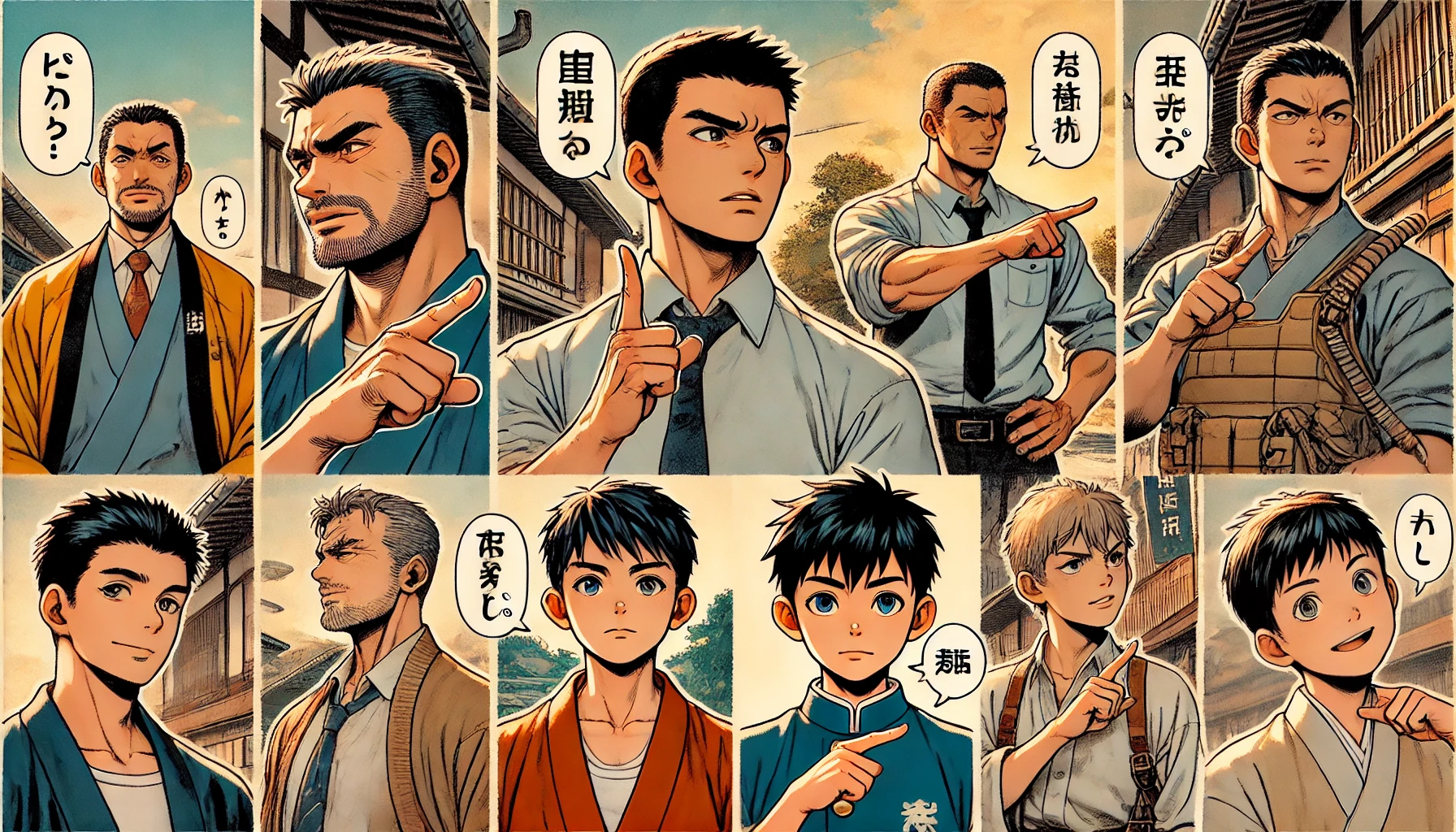
男性的な日本語というテーマについて、興味深い特徴がいくつか挙げられる。
On the subject of masculine Japanese, several interesting features can be noted.
まず、男性がよく使う日本語の特徴として、語尾に「だ」や「ぜ」「ぞ」を付ける表現がある。
First, one of the most common characteristics of Japanese used by men is the use of "da," "ze," and "zo" at the end of words.
例えば、「行くぜ」や「やるぞ」といった形は、強調的で力強い印象を与える。
For example, forms such as "ikuze" and "yaruzo" give an emphatic and powerful impression.
一方で、カジュアルな場面では「俺」や「僕」といった一人称が一般的に使われ、特に「俺」は自信や親密さを示すことが多い。
On the other hand, in casual situations, the first person, such as "ore" or "boku" is commonly used, and "ore" in particular often indicates confidence and intimacy.
また、男性的な日本語には簡潔さや直接的な表現が目立つ。
Conciseness and directness are also prominent in masculine Japanese.
たとえば、「分かった」や「大丈夫だ」といった断定的な言い方がその例である。
For example, definitive phrases such as "I understand" and "It's okay" are examples.
これにより、男性的な日本語ははっきりとした意思表示や行動力を表現する傾向がある。
This tends to make masculine Japanese express a clear statement of intent and action.
しかし、現代ではこうした「男性的な日本語」の特徴がやや薄れ、ジェンダーニュートラルな言葉遣いが増えている。
Today, however, these characteristics of "masculine Japanese" have somewhat faded, and gender-neutral language use is increasing.
例えば、「です・ます」調を使えば、性別を問わず丁寧な印象を与えることができる。
For example, the use of "desu-masu" style can give a polite impression regardless of gender.
また、特定の言葉遣いが必ずしも男性らしさを示すとは限らず、状況や話し相手に応じて柔軟に言葉を選ぶことが重要になってきている。
In addition, a particular use of language does not necessarily indicate masculinity, and it is becoming more important to choose words flexibly according to the situation and the person one is speaking to.
最後に、男性的な日本語の特徴を理解することは、日本文化やコミュニケーションの多様性を学ぶうえで非常に有意義である。
Finally, understanding the characteristics of masculine Japanese is very meaningful in learning about the diversity of Japanese culture and communication.
それは単なる言葉遣いだけではなく、相手への配慮や文化的背景を深く知ることにつながるからだ。
This is because it is not only about the use of language, but also about consideration for others and a deeper understanding of cultural backgrounds.
Comprehension Check
Question 1 of 4
伝統的に男性的とされる語尾の例はどれですか?