白い嘘
White Lies
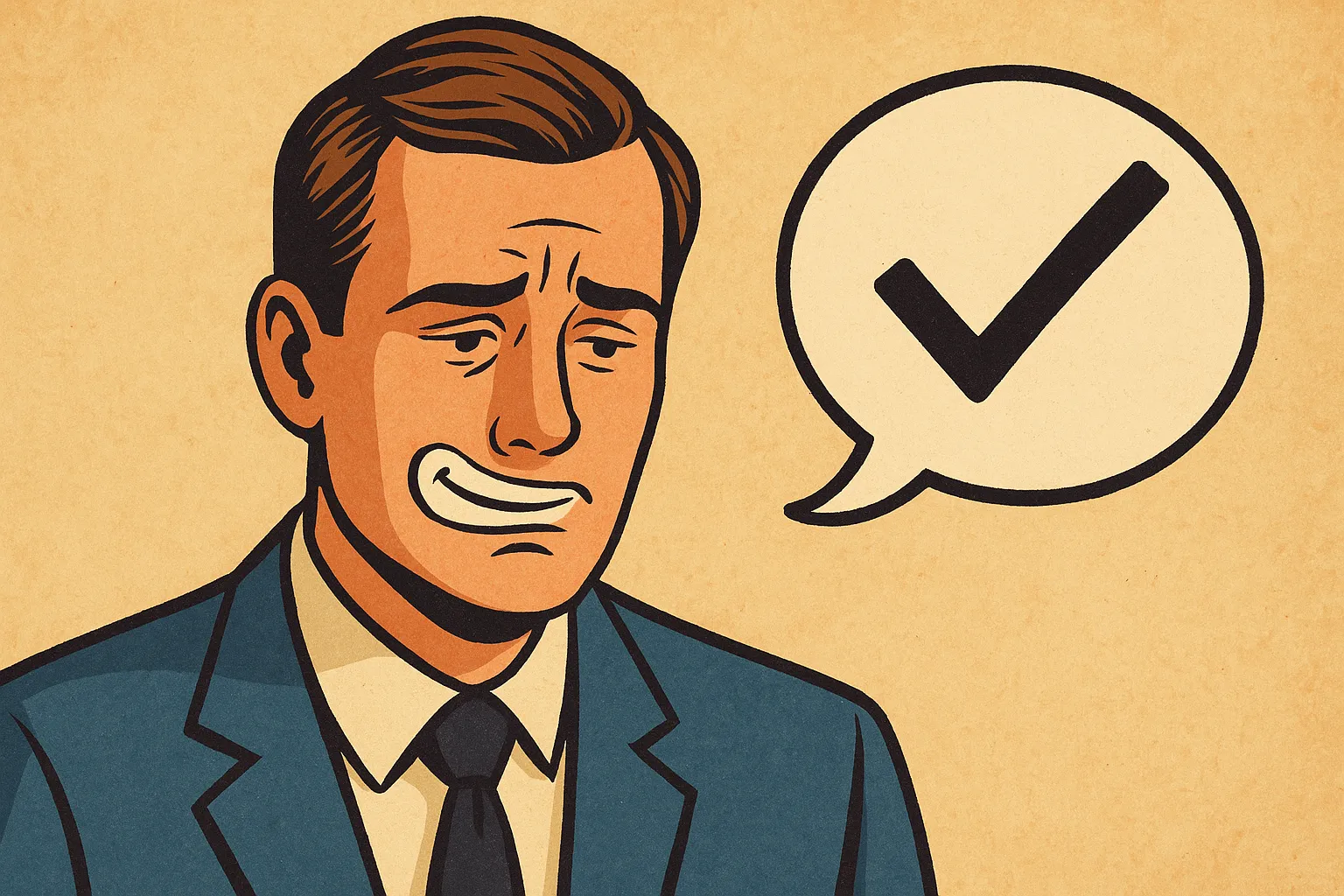
人間社会において「白い嘘」という現象は、非常に興味深いテーマである。
The phenomenon of "white lies" is a very interesting topic in human society.
白い嘘とは、他人を傷つけないため、または場の空気を壊さないために意図的につかれる善意の嘘を指す。
A white lie is a well-intentioned lie that is intentionally told in order not to hurt another person or to break the atmosphere of the occasion.
この行為は道徳的な観点から矛盾しているように見える一方で、実際には人間関係を円滑にするために頻繁に用いられている。
While this practice appears to be contradictory from a moral standpoint, it is in fact frequently used to facilitate human relationships.
哲学者カントの倫理学を考慮すると、嘘はどのような状況でも許されるべきではないという立場が明確である。
Considering the ethics of the philosopher Kant, the position is clear that lying should not be tolerated under any circumstances.
彼の定言命法に基づけば、嘘を正当化する行為は普遍的な法則として成立し得ず、社会全体の信頼関係を崩壊させる可能性がある。
On the basis of his categorical proposition, the act of justifying a lie cannot be established as a universal law, and could disrupt trust in society as a whole.
しかし、白い嘘に限って言えば、この「普遍性」の原則が絶対に適用されるべきなのか、議論の余地がある。
However, it is debatable whether this principle of universality should absolutely apply only to white lies.
一方、功利主義の観点では、行為の正当性はその結果に基づいて評価される。
On the other hand, from a utilitarian perspective, the legitimacy of an action is evaluated based on its consequences.
白い嘘が他者の幸福や利益を増進させる場合、それは道徳的に許容されるとみなされるかもしれない。
If a white lie advances the well-being or benefit of others, it may be considered morally acceptable.
たとえば、病気の人を安心させるための言葉や、失敗した友人を慰めるための励ましの嘘は、明らかに肯定的な影響をもたらす。
For example, words of reassurance to a sick person or an encouraging lie to comfort a failing friend would clearly have a positive impact.
さらに、文化的背景もこの問題に影響を与える。
Furthermore, cultural background also influences this issue.
日本社会においては、和を重んじる価値観が強調されるため、白い嘘は「嘘」というよりむしろ「思いやり」として認識されることがある。
In Japanese society, white lies are sometimes perceived as "compassion" rather than "lies" because of the emphasis on harmony values.
特に、相手の面子を守ることを重視する日本独自のコミュニケーションスタイルにおいて、白い嘘は社会的潤滑油として機能することが多い。
Especially in Japan's unique communication style, which emphasizes saving face, white lies often function as a social lubricant.
以上を踏まえると、白い嘘はその動機と結果、さらには文化的文脈によって評価が大きく異なる。
In light of the above, white lies are evaluated very differently depending on their motives and consequences, as well as on the cultural context.
哲学的には、白い嘘は道徳的規範と現実的必要性との間で揺れ動く複雑な現象であり、それを一義的に評価することは難しいと言えるだろう。
Philosophically, white lies are a complex phenomenon that oscillates between moral norms and practical necessity, making it difficult to evaluate them univocally.
Comprehension Check
Question 1 of 4
本文で「白い嘘」はどのように定義されていますか?